
 (217) 546-3333
Tooth Extractions – Springfield
Say Goodbye to Your Troublesome Tooth
A tooth extraction is never the first choice for your dentist. It is always best to restore the health of a natural tooth whenever possible. However, sometimes extractions are necessary to preserve the health of the rest of your smile. That’s why at Advanced Dental Care of Springfield, we offer tooth extractions. If you think it’s time to say goodbye to your troublesome tooth, don’t hesitate to contact us. This way we can examine your smile and determine if a tooth extraction is the right solution for you.
Why Choose Advanced Dental Care of Springfield for Tooth Extractions?
- Dental Sedation Options
- We Welcome Dental Insurance
- Flexible Financing Available
Reasons Why Tooth Extractions Are Necessary

We will always do everything we can to help patients keep their natural teeth, but sometimes this isn’t a possibility. Here are some common reasons why a tooth extraction may be needed to keep the rest of your smile healthy.
- You have severe, irreparable damage or decay
- A tooth is impacted and unable to erupt properly
- A primary tooth isn’t falling out
- To allow a patient to undergo orthodontic treatment
- An extraction is necessary for the long-term success of a restoration
- There isn’t enough room in the mouth to accommodate wisdom teeth
The Process of Removing a Tooth

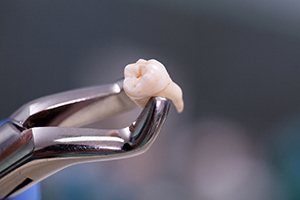
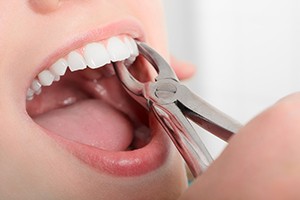
Teeth are removed by one of two methods – pulling surgical extraction. Teeth are only “pulled” if they have fully emerged from the gumline. In this case, we will begin by numbing the area with a local anesthetic and using a clasping tool to shift it around until it releases from the gumline. If pulling a tooth isn’t an option, the tooth will need to be surgically extracted. For this procedure, a small incision is made into the gum tissue, allowing up to reach it and remove it completely. We offer several dental sedation options to make this procedure as comfortable as possible.
To determine the ideal extraction method for you, we need to closely examine your smile in person. If necessary, we will also discuss tooth replacement options to prevent future complications related to missing teeth.
Tooth Extractions Aftercare

Before you leave the office, we will provide you with detailed aftercare instructions to reduce your probability of complications and remain comfortable. Everyone’s case is different, but here are some of the key steps we generally recommend for a quick recovery.
- Rinse with saltwater 24 hours following your procedure
- Avoid using tobacco products until your mouth has healed
- Elevate your head while sleeping
- Get plenty of sleep
- Take recommended over-the-counter and prescribed medications as directed
- Apply a cold compress to reduce discomfort and inflammation
- Stick to a soft-food diet
Understanding the Cost of Tooth Extractions
It’s natural to have questions when you learn you need a problematic tooth removed, and one of the first things many patients want to know is how much their procedure might cost. However, the answer can depend significantly on your unique circumstances, so our team will provide a more detailed estimate after your initial consultation and examination.
Continue reading to learn more about how pricing is determined, as well as how our Springfield team helps make treatments more affordable!
Factors That Can Affect Tooth Extraction Cost
It can be challenging to determine the total amount of your procedure in advance because there are several factors that can potentially influence the total invoice, such as:
- Where the tooth is located. Molars are in the back of your mouth and have more roots, which makes them harder to access and may require additional time and effort to remove, increasing the final cost.
- The severity of your condition. More severely decayed, damaged, or infected teeth might require a specialist, such as a prosthodontist or oral surgeon, to assist with your procedure, and you’ll be responsible for paying for their services, too.
- The type of restoration. Different methods of replacing missing teeth, such as dentures, bridges, and implants, each have their own pricing structures.
Does Dental Insurance Cover Tooth Extractions?

Many dental insurance plans often contribute about 50% of the rate of tooth extractions. However, there are no guarantees that it’s included in your policy, and there may be additional restrictions, such as an annual deductible that must be paid or a waiting period that must pass, before you can use your coverage.
It’s worth verifying your insurance details before proceeding. If you’d like assistance with claims or paperwork, please let our office know. We’re familiar with different providers and can help you maximize your available benefits.
How to Make Tooth Extractions Affordable

Removing a damaged, infected, or impacted tooth can potentially save your smile, and our compassionate team in Springfield doesn’t want your current financial situation to prevent you from undergoing the necessary procedure.
If you’re concerned about affording your tooth extraction, you might benefit from a flexible payment plan with one of our third-party financial partners, Cherry, CareCredit, or Sunbit. If your application is approved, these programs allow you to divide your final invoice into manageable, low- to no-interest installments paid over a designated period.
Tooth Extractions FAQs
Does Tooth Extraction Hurt?
Not during the procedure. The numbing injection will remove feeling from a specific area of the mouth. Once the anesthetic wears off a little afterward, that section of your jaw may feel sore and sensitive for a few days. That’s where the over-the-counter pain reliever and the cold compress can help.
To avoid further pain, make sure you allow a blood clot to form over the extraction site within a couple of hours of coming home. If it comes off before the tissue underneath heals, you could get an infection called dry socket, which can be very painful. To prevent this, pay attention and follow our aftercare instructions.
What Could Happen If I Don’t Get a Troubled Tooth Extracted?
Depending on the problem, several unpleasant and even dangerous outcomes can happen. If you have gum disease that is too far advanced to save your tooth, it—as well as others—will fall out naturally and feel extremely loose and unstable. An overwhelming cavity can spread to other teeth, and it can even go from an oral infection to somewhere else in the body and be fatal.
Obviously, we don’t take this recommendation or decision lightly, but for some patients, tooth extraction gives you the best chance to reclaim your life and smile!
What Are My Tooth Replacement Options?
Not all extracted teeth require replacements, but some do. Without a restoration to keep the rest of the teeth in their proper place, shifting can occur, changing how the arches meet. As a result, your bite can become less effective and efficient. Plus, noticeable gaps in your smile can garner the wrong attention. Replacements like a dental implant can help your smile stay healthy and beautiful. If we talk with you about tooth extraction and restoring it afterward, you’ll know both steps are important and necessary.
Can I Get Sedation for My Tooth Extraction?
Absolutely! Although the anesthetic keeps the specific site from hurting you while we work, sedation dentistry can add a little more pain relief as well as mental calm. Nitrous oxide is gentle and acts fast, but it is meant for more mild cases of anxiety. If we know in advance about your procedure, we can prescribe a pill for you to take, which will make recalling the appointment difficult. IV sedation is also strong, making these two options perfect for those who have more severe dental fears and who are going through more complicated treatment. Before the procedure, if you feel anxious, tell us so that we can select the option that will allow you to have a more pleasant experience.