
 (217) 546-3333
Learn How Your Dentist Conducts an Oral Cancer Screening
April 15, 2026
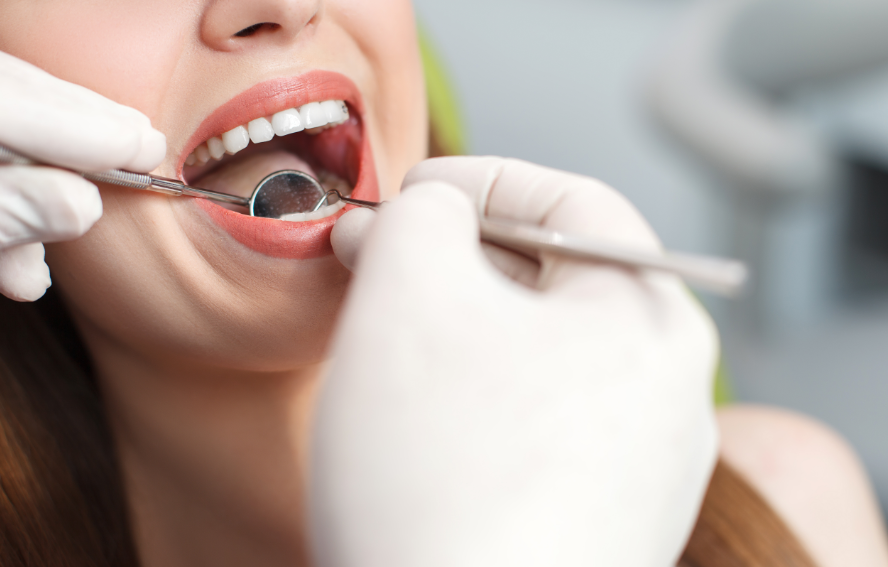
During your regular dental checkup, your dentist is doing more than just cleaning your teeth—they’re also performing a quick but important oral cancer screening. Because this exam is so brief and routine, many patients don’t even realize it’s happening.
Oral cancer screenings are designed to detect early signs of abnormal tissue in the mouth, lips, tongue, throat, and surrounding areas. Early detection is key, as it greatly improves treatment outcomes and can often lead to more successful, less invasive care.
A Quick Look at Your Medical History
Your screening usually begins before the physical exam even starts. Your dentist may ask about changes in your health, lifestyle habits, or any symptoms you’ve noticed, such as persistent sore spots, difficulty swallowing, or unexplained discomfort.
This conversation helps your dental team understand your risk factors and know what areas may need a closer look during the exam.
Visual Examination of the Mouth and Surrounding Areas
The first hands-on step of an oral cancer screening is a careful visual inspection. Your dentist will look at your lips, gums, tongue, cheeks, the roof and floor of your mouth, and the back of your throat.
They are checking for anything unusual, such as red or white patches, sores that don’t heal, swelling, or changes in texture or color. Most of the time, everything appears normal—but this step is essential for catching early warning signs.
Physical Examination and Palpation
Next, your dentist will gently feel the tissues inside your mouth and along your jaw, neck, and under your chin. This is done to check for lumps, thickened areas, or abnormalities in the lymph nodes.
This part of the exam is quick and painless, but it provides important information that cannot always be seen visually.
Checking for Subtle Changes in Function
Your dentist may also ask you to move your tongue, open your mouth wide, or make certain facial movements. These simple actions help them evaluate how well the muscles and tissues are functioning and whether anything feels restricted or unusual.
Changes in movement or sensation can sometimes be early indicators of underlying concerns.
What Happens if Something Looks Unusual?
In most cases, oral cancer screenings come back completely normal. However, if your dentist notices something suspicious, they may recommend monitoring the area, scheduling a follow-up visit, or referring you to a specialist for further testing.
It’s important to remember that many abnormalities are harmless, but additional evaluation helps ensure nothing is missed.
A Small Step That Makes a Big Difference
An oral cancer screening only takes a few minutes, but it plays a powerful role in protecting your overall health. Because it’s included in your routine dental visit, it’s an easy and effective way to stay proactive about early detection.
Even though you may not notice it happening, this simple part of your checkup is one of the most important steps your dentist takes to keep you healthy.
About the Practice
Dr. Driskill and Dr. Neely of Advanced Dental Care of Springfield provide comprehensive preventive and restorative dental care focused on patient comfort, education, and long-term oral health. The practice emphasizes early detection and prevention, including routine oral cancer screenings as part of regular dental checkups. With a commitment to gentle, thorough care, we help patients maintain healthy smiles while staying proactive about their overall well-being.
Call us at (217) 546-3333 or schedule your appointment online.