
 (217) 546-3333
Is it Painful to Get a Dental Crown?
September 17, 2026
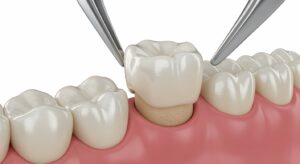
If your dentist has recommended a dental crown, you may be wondering what the procedure will feel like; mostly, will it hurt? Getting a dental crown generally should not be painful! You’ll notice some sensations, but pain typically isn’t one of them. Let’s talk about how your dentist will work to keep you comfortable throughout the procedure.
Will I Feel Anything During the Procedure?
Before preparing your tooth, your dentist will typically administer a local anesthetic to numb the area. You may feel a brief pinch or pressure when the anesthetic is given, but the tooth and surrounding tissues should become numb shortly afterward.
During the crown procedure, you may notice pressure, vibration, or movement as your dentist shapes the tooth. However, you should not feel sharp pain. If you do experience discomfort, let your dentist know immediately. Additional anesthetic can usually be provided to improve your comfort.
Patients with dental anxiety should also talk with their dentist before treatment. Your dental team may be able to offer sedation methods to help you feel more relaxed.
Is There Pain After Getting a Crown?
It is possible to experience some sensitivity or soreness after a crown appointment. This is usually temporary and may occur as the tooth and surrounding tissues adjust to the restoration.
You may notice sensitivity to hot or cold foods and drinks, or mild tenderness when biting. For many patients, these symptoms improve within several days.
Following your dentist’s instructions can help make your recovery more comfortable. Over-the-counter pain medication may be recommended if appropriate for you, but always follow your dentist’s guidance and the medication’s instructions.
Why Might a Crowned Tooth Hurt?
While mild sensitivity can be normal after a crown, persistent or worsening pain deserves attention. Several issues could potentially cause discomfort, including an uneven bite, irritation of the tooth’s nerve, decay beneath or around the restoration, or an underlying problem that existed before the crown was placed.
If your tooth feels like it hits first when you bite down, tell your dentist. A minor adjustment to the crown may improve your bite and relieve pressure on the tooth.
Severe pain, swelling, fever, or symptoms that do not improve should also be evaluated by your dentist.
Can a Root Canal Be Needed Before a Crown?
Sometimes a tooth needs more than a crown. If the inner pulp of the tooth is severely inflamed or infected, your dentist may recommend root canal treatment before placing the crown.
A root canal is not automatically necessary just because you need a crown. Your dentist will evaluate the tooth, consider your symptoms, and may use X-rays or other diagnostic tests to determine the appropriate treatment.
If you are nervous about discomfort, talk openly with your dentist before treatment. Knowing what will happen and communicating how you feel during the appointment can help make the experience smoother and more comfortable.
About the Practice
Advanced Dental Care of Springfield is headed up by two friendly, experienced dentists, Drs. Victoria Driskill and John Neely, who perform comprehensive dental services in a comfortable, homey office. Patients who come to us for dental crown treatment enjoy our mess-free, putty-free digital impression system and other amenities! Click here for more information or feel free to call (217) 207-0632.